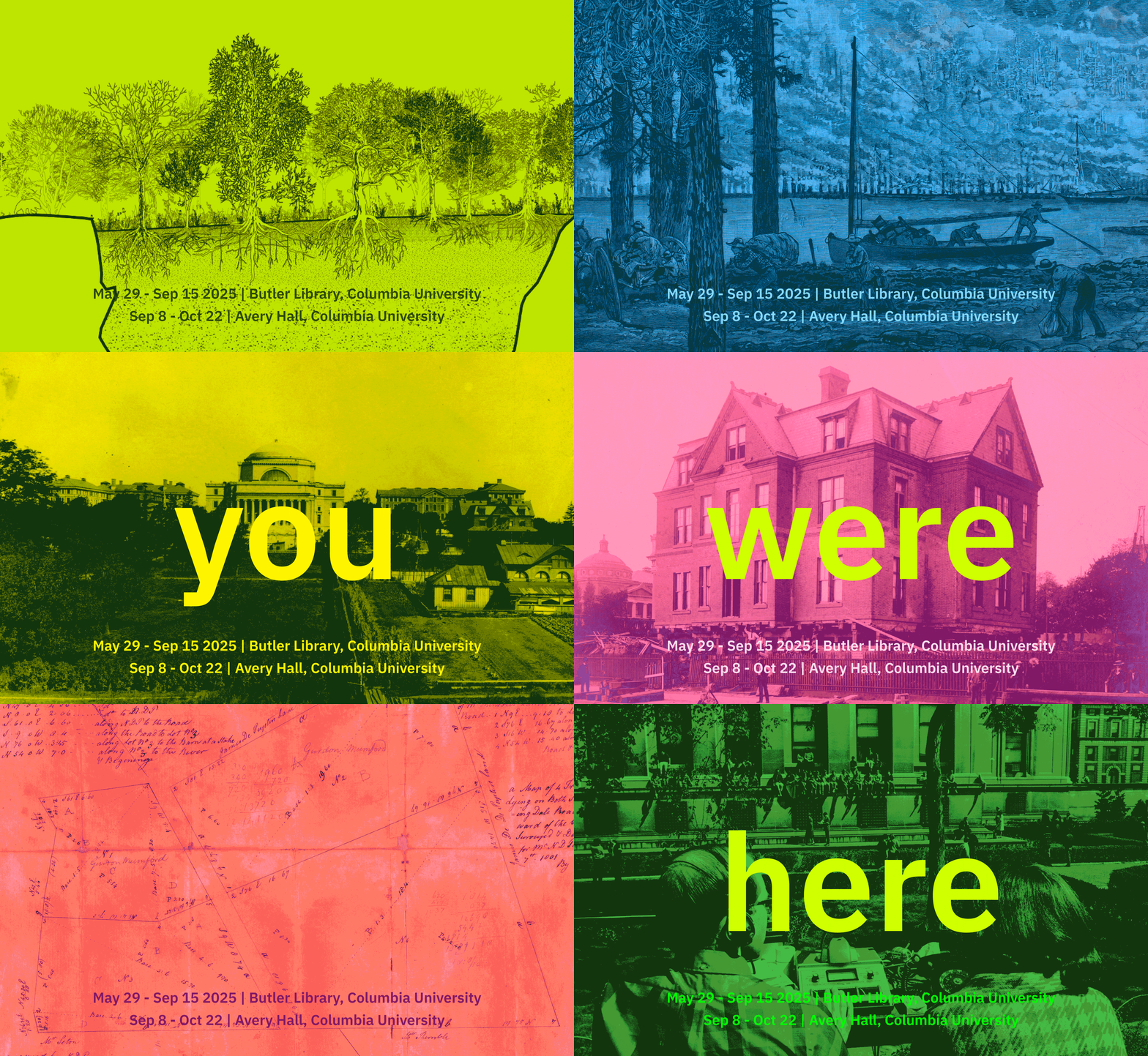
Before you were here: A history of the campus’s land, as told from its oldest surviving building
Despite all appearances, a campus is not a place. Although its status and self-similar architecture convey a unified image, the university is not confined to a particular patch – or even a series of main and satellite campuses – but rather exists and exerts power by means of several techniques. The university is operationalized through architecture, real estate, and more experimental tools.
Campus histories are usually told from the school’s semi-mythic founding and remain, floating, high above the ground, as they recount the institution’s chain of successes and enduring qualities. Campus histories tend to be narratives of plans made and realized, of great men and scholars, of nature and culture communing in a uniquely conducive pedagogical environment.
In this exhibition, the story of the campus is told, instead, from the perspective of one spot on the campus’s land: the attic rooms that make up the Buell Center at Columbia GSAPP. From the windows of this house – the oldest remaining building here – and affected by the Center’s mission to understand the relationship of architecture and land in the Americas, this research attempts to unearth how Columbia’s campus is inscribed in a longer continuum of place-making strategies, events, and actors.
Before you were here is on view at Butler Library for its final three weeks, through September 12. The exhibition showcases a history of Columbia’s campus, as told from its oldest surviving building, Buell Hall: why was it built, then moved? What changes in the land have accompanied its remarkable survival? Based on three years of research conducted by Director Lucia Allais, the Buell team, and student researchers, the show features both archival material and new commissioned work, including an AR landscape by Sonia Sobrino Ralston. The next iteration of this exhibition will be on view in Avery Hall (200 level), September 8 - October 22.
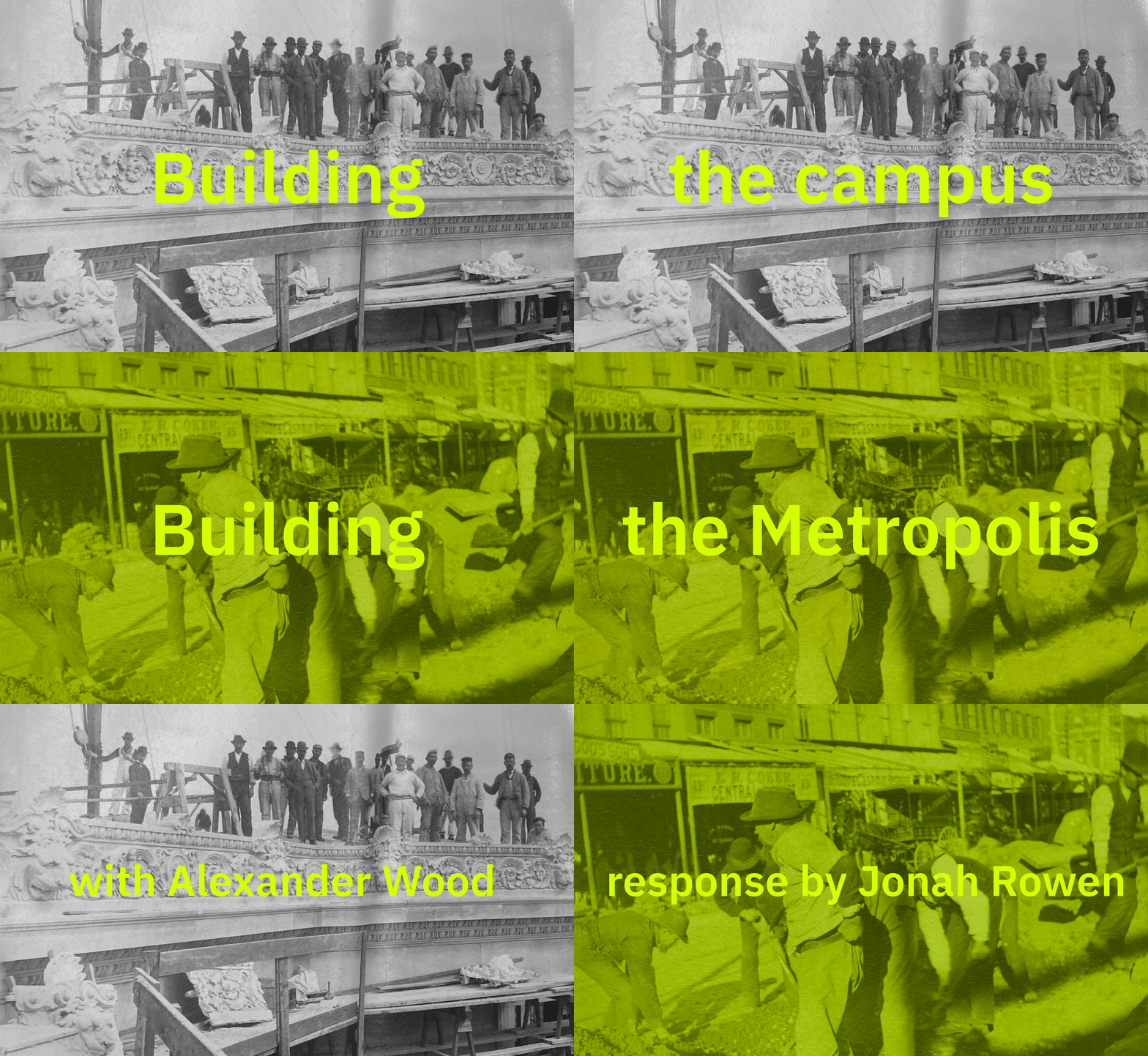
November 20, 2025, 12 pm: Book talk with Alexander Wood; Response by Jonah Rowen (Vassar)